enjie
Enjie's low voltage battery management system is designed to deliver intelligent monitoring, protection, and control functions while creating a user experience similar to modern smart home appliances. The low voltage BMS helps optimize battery performance, enhance safety, and extend battery service life.
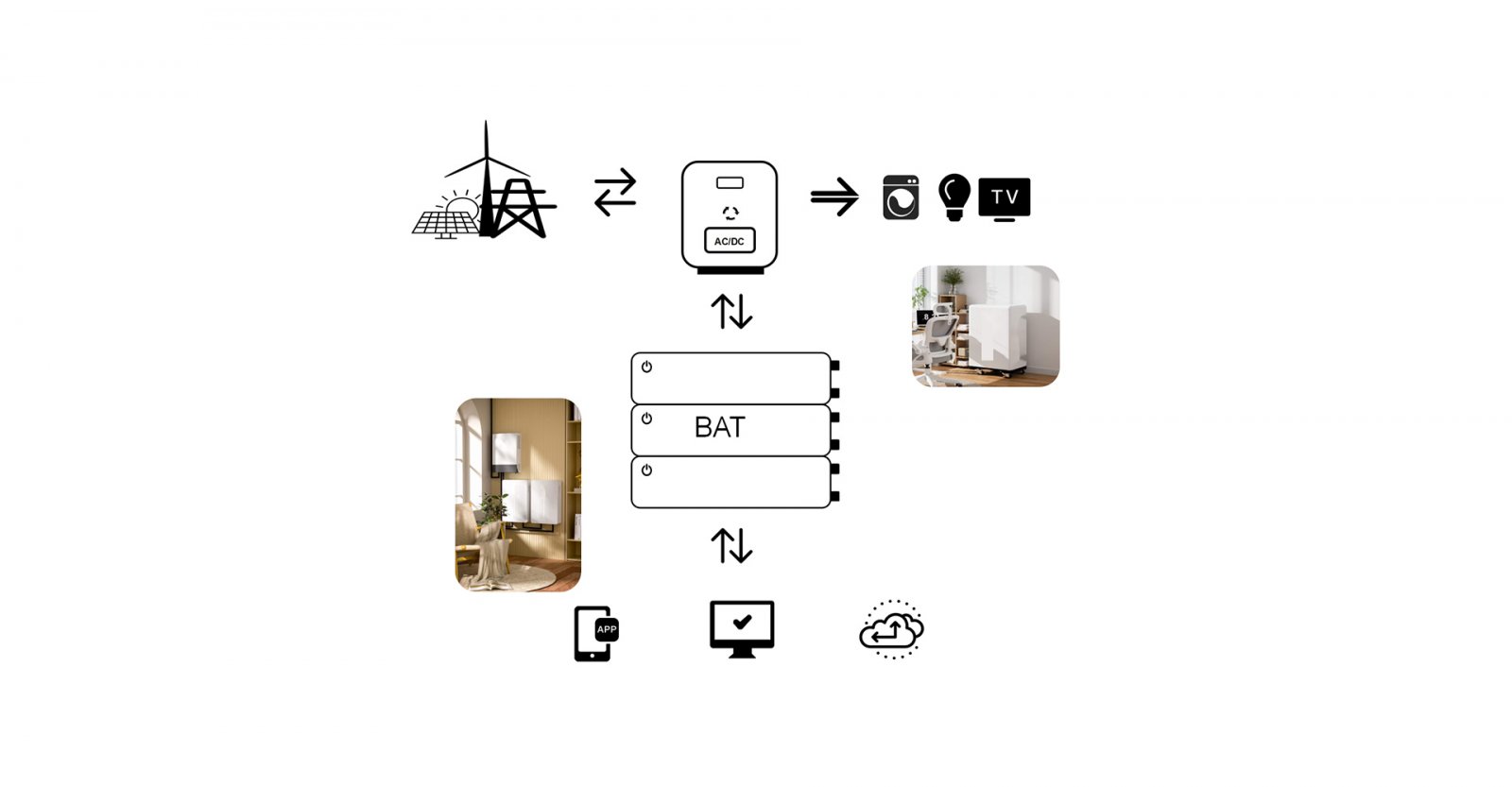
A Low Voltage Energy Storage System (ESS) is a battery storage solution that typically operates at voltages below 60V, with 48V systems being the most common configuration for residential and small commercial applications. These systems store energy generated from solar panels or the grid and provide power when needed, helping users increase self-consumption, reduce electricity costs, and maintain backup power during outages.
Low voltage ESS solutions are widely used because of their high safety profile, compatibility with many hybrid and off-grid inverters, and flexible modular design. Most modern low voltage systems utilize LiFePO₄ (Lithium Iron Phosphate) batteries, which offer excellent thermal stability, long cycle life, and reliable performance. Similar battery protection technologies are also applied in bms battery 12v.
Low voltage energy storage systems offer several benefits that make them a popular choice for residential energy storage projects:
Operating at lower voltages significantly reduces the risk of electric shock during installation, maintenance, and daily operation. This makes low voltage systems particularly suitable for residential environments.
Low voltage ESS solutions are typically designed with a modular architecture, allowing users to add battery modules as energy demands increase without replacing the entire system.
Many hybrid and off-grid inverters are designed to support 48V battery systems, making low voltage ESS solutions easier to integrate into both new and existing solar installations. This architecture is widely adopted in 48v lithium ion bms applications and scalable energy storage projects.
Compared with high voltage systems, low voltage ESS installations generally require less complex wiring and commissioning procedures, helping reduce installation time and maintenance costs.
Low voltage systems provide dependable backup energy during grid outages and can effectively support essential household loads such as lighting, communication equipment, and home appliances.
Both low voltage and high voltage energy storage systems serve the same purpose—storing and supplying energy—but they differ in operating voltage, efficiency, installation requirements, and application scenarios.
For most residential users seeking a safe, reliable, and expandable energy storage solution, low voltage systems provide an excellent balance of performance, flexibility, and cost-effectiveness. High voltage systems are generally preferred for larger installations that require higher power output and maximum system efficiency.
(1) Monitor bus voltage
(2) External power supply for heating logic
(3) MOS tube current limiting synchronous fast rectification
(4) Strong anti-interference ability
(5) Good ergonomic design, simple and easy to understand
Millions of sets of BMS battery management application experience, mainly committed to BMS R&D, production and sales of lithium batteries and energy storage batteries.
As one of the leading modular battery management system manufacturers, we provide products involve communication base station backup power, home energy storage(ESS), smart lithium battery, AGV, E2W/E3W, etc.
Safety and stability of battery charge management are our primary goals.